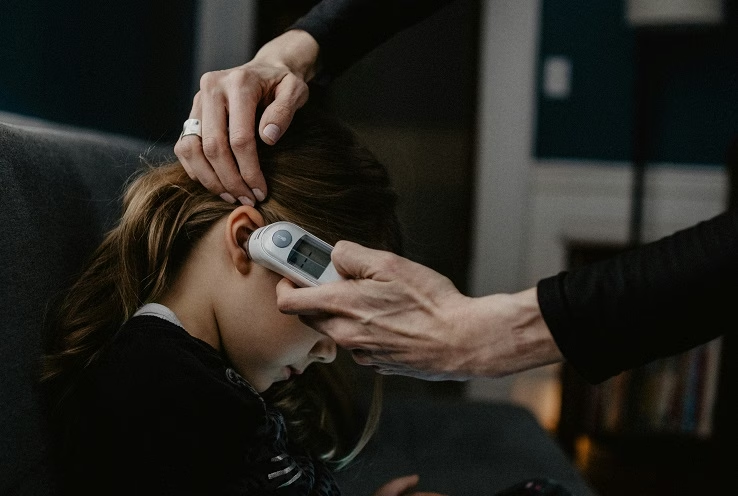
Caring For A Sick Child: 5 Top Tips To Survive

There’s nothing quite like the moment you realise your child is sick. The glassy eyes. The warm forehead. The clinginess. Suddenly, your regular routine disappears and survival mode kicks in.

Caring for a sick child can be exhausting—physically and emotionally. But with a little preparation and perspective, you can navigate the sniffles, stomach bugs, and sleepless nights with more confidence (and sanity).

Read more: Caring For A Sick Child: 5 Top Tips To Survive

Here are five top tips to help you survive from this nursery in Surrey.

Caring For A Sick Child Summary

StrategyEssential Action
Stay CalmManage your own anxiety so your child can co-regulate with you.
Prioritize ComfortBend the rules on screen time and routines to provide emotional security.
Focus on HydrationOffer small, frequent sips of water, ice pops, or broth over solid food.
Shared RestTake shifts with a partner and lower your productivity expectations.
Release GuiltAccept that viruses are a natural part of building an immune system.
Monitor Red FlagsSeek help for difficulty breathing, persistent high fever, or dehydration.

1. Stay Calm (Even If You’re Not)

Children pick up on your energy instantly. If you panic, they panic.

Most common childhood illnesses—colds, mild fevers, stomach bugs—are uncomfortable but not dangerous. Take a breath before reacting. A calm parent is one of the most powerful forms of medicine.

That said, trust your instincts. If something doesn’t feel right, call your pediatrician. It’s always better to ask than to worry silently.

Quick reminder: Seek medical attention immediately if your child has difficulty breathing, a rash with fever, unusual lethargy, signs of dehydration, or a high fever that doesn’t respond to medication.

2. Focus on Comfort Over Routine

When your child is sick, the usual rules can bend a little.

  • Extra cuddles? Yes.
  • More screen time than usual? Probably.
  • Sleeping in your room? Sometimes necessary.

This isn’t about discipline—it’s about comfort and recovery. Illness is temporary. Emotional security during illness leaves a lasting imprint.

Soft blankets, favorite movies, quiet stories, and gentle reassurance go a long way.

3. Hydration Is Everything

When appetite disappears, don’t panic. It’s common for sick children to eat less.

Hydration matters far more.

Offer:

  • Small, frequent sips of water
  • Oral rehydration solutions
  • Ice pops
  • Broth
  • Diluted juice (if needed)

Watch for signs of dehydration:

  • Dry mouth
  • Fewer wet diapers or bathroom visits
  • Sunken eyes
  • Lethargy

If in doubt, call your healthcare provider.

4. Rest—For Them and For You

Sick children need sleep to heal. But so do you.

It’s easy to run yourself into the ground staying up all night monitoring temperatures and Googling symptoms. Take shifts with a partner if possible. Nap when they nap.

If you’re parenting solo, simplify everything:

  • Easy meals
  • Laundry can wait
  • Work tasks minimised
  • Lower expectations

Your only priority is care and recovery—not productivity.

5. Accept That You Can’t Control Everything

You can sanitise, wash hands, and stock medicine cabinets—but kids still get sick. It’s part of growing immune systems.

Release guilt. You didn’t “miss something.” You didn’t “cause it.” Viruses happen.

Instead, focus on what you can control:

  • Comfort
  • Monitoring
  • Communication with your doctor
  • Creating a calm healing environment

Illness often becomes a time of closeness. Some of the sweetest parenting moments happen during quiet cuddles on the couch.

Bonus Survival Kit Checklist

Having supplies ready makes stressful moments easier:

  • Thermometer
  • Children’s fever reducer (as recommended by your paediatrician)
  • Electrolyte drinks or powders
  • Tissues and wipes
  • Humidifier
  • Basic first aid kit
  • Paediatrician contact information easily accessible

Preparation doesn’t eliminate illness—but it reduces panic.

Final Thoughts

Caring for a sick child is one of parenting’s hardest tests. It interrupts sleep, drains your energy, and tugs at your heart.

But it also reminds you how deeply connected you are.

Stay calm. Focus on comfort. Keep them hydrated. Rest when you can. And remember—most childhood illnesses pass faster than they feel in the moment.

You’re not just surviving. You’re doing exactly what your child needs most: being there.

Caring For A Sick Child FAQs

When should I stop worrying about my sick child’s lack of appetite?

It is very common for children to lose their appetite when sick. As long as they are staying hydrated and showing no signs of severe lethargy, you don’t need to force them to eat. Focus on fluids and offer bland “BRAT” diet foods (Bananas, Rice, Applesauce, Toast) once they start feeling better.

How do I know if my child is becoming dehydrated?

Look for dry or sticky mouth, fewer wet diapers (or less frequent bathroom visits), sunken eyes, or a lack of tears when crying. If your child is extremely sleepy or difficult to wake, contact your paediatrician immediately.

Is it okay to let my sick child sleep in my bed?

During an illness, comfort is a priority. If it helps you monitor their fever and helps them feel safe enough to rest, it is perfectly fine. Just remember to return to your normal sleep routine once they are recovered to avoid creating a long-term habit.

How To Help Your Child Learn To Embrace Change

Change is a constant part of life—from moving homes and starting school to making new friends or adjusting to family routines. For children, even small changes can feel overwhelming. Learning to adapt isn’t just a survival skill—it’s a vital life skill that shapes resilience, confidence, and emotional intelligence.

Read more: How To Help Your Child Learn To Embrace Change

Helping your child embrace change doesn’t mean removing uncertainty or protecting them from discomfort. It means equipping them with tools to navigate life’s ups and downs with courage and curiosity. Here’s how to guide them through it.

Learn to Embrace Change Key Summary

StrategyParenting Action
Normalise ChangeTalk about change as a natural part of life and growth.
Open CommunicationProvide age-appropriate information to reduce the “fear of the unknown.”
Positive MindsetFocus on new opportunities and adventures rather than just losses.
Build Coping SkillsTeach tools like deep breathing, journaling, or physical activity.
Involve ThemGive children choices (like picking a schoolbag) to provide a sense of control.
Maintain RoutinesUse familiar bedtimes and mealtimes as a “safe anchor” amid change.
Model FlexibilityShow children how you personally adapt to unexpected situations.

Normalise Change

Children often fear the unknown. Start by helping them understand that change is natural and happens to everyone.

  • Talk about times when things changed in your life and how you adapted
  • Read stories or watch shows where characters face new situations
  • Emphasise that change can bring new opportunities and growth

When children see change as a normal part of life, it becomes less intimidating.

Communicate Openly and Honestly

Uncertainty is scary. Give your child age-appropriate information about upcoming changes.

  • Explain what is happening and why
  • Outline what will stay the same and what will be different
  • Allow them to ask questions and express concerns

Open communication fosters trust and reduces anxiety by giving children a sense of predictability.

Encourage a Positive Mindset

How children interpret change affects their response. Teach them to focus on potential benefits rather than just losses.

  • Use phrases like: “This is an opportunity to try something new” or “We’ll discover new friends and experiences.”
  • Model optimism in your own approach to change
  • Celebrate small successes when adapting to new situations

A positive mindset helps children see change as an adventure rather than a threat.

Build Coping Skills

Change often comes with strong emotions. Equip your child with strategies to manage them:

  • Deep breathing or counting to ten when upset
  • Journaling or drawing about feelings
  • Talking to a trusted adult
  • Engaging in physical activity to release tension

Coping skills give children confidence that they can handle emotions, no matter the circumstances.

Involve Them in the Process

Whenever possible, give your child a sense of control. Even small choices can empower them:

  • Let them pick a new backpack, room arrangement, or outfit for a first day at school
  • Encourage input on family decisions or routines that affect them
  • Allow them to plan how to approach a new activity or setting

When children feel involved, change becomes something they participate in rather than something imposed upon them.

Maintain Consistent Routines

While embracing change, routines provide stability and comfort. Regular mealtimes, bedtime rituals, and family traditions offer a safe anchor amid uncertainty.

Consistency reassures children that while some things are changing, other aspects of life remain familiar.

Model Flexibility

Children learn by observing. Show them how you adapt to change in your life:

  • Approach unexpected situations calmly
  • Share how you problem-solve
  • Reflect on lessons learned from past changes

When children see resilience modelled, they are more likely to emulate it.

Celebrate Adaptability

Every time your child navigates a change successfully, recognise it.

  • “You tried a new activity even though it felt scary—well done!”
  • “I’m proud of how you handled moving to a new class.”

Acknowledging adaptability reinforces confidence and encourages them to face future changes with courage.

This private school in Ireland says that change can be challenging, but it’s also an essential part of growth. By normalising change, communicating openly, fostering optimism, building coping skills, and modelling flexibility, you equip your child with the tools to navigate life with confidence.

Children who learn to embrace change don’t just survive life’s transitions—they thrive in them. Guiding them through these experiences gives them resilience that will serve them for a lifetime.

Learn to Embrace FAQs

Why do children often struggle with even small changes?

Children thrive on predictability because it makes them feel safe. Even small shifts in routine can feel like a loss of control. By normalising change early on, you help them build the “emotional muscle” needed to handle bigger transitions later in life.

How much information should I give my child about an upcoming change?

Focus on “age-appropriate honesty.” Give them enough information to understand what is happening and what will stay the same, but avoid overwhelming them with adult concerns or complex logistics they cannot control.

Can change actually be good for a child?

Absolutely! While uncomfortable, change is a primary driver of growth. It teaches resilience, problem-solving, and adaptability—skills that are essential for success in adulthood.

Top Tips To Improve Your Child’s Personal Hygiene

Top Tips To Improve Your Child’s Personal Hygiene – Teaching children good personal hygiene is more than just keeping them clean—it’s about helping them develop healthy habits that last a lifetime. From preventing illness to boosting confidence, personal hygiene plays a key role in your child’s overall wellbeing.

Read more: Top Tips To Improve Your Child’s Personal Hygiene

Yet, getting children to consistently wash their hands, brush their teeth, or keep their clothes clean can be a challenge. Here are some top tips to make hygiene habits easier—and even fun—for your child.

Improve Your Child’s Personal Hygiene – Key Summary

StrategyActionable Tip
Establish RoutineSet fixed times for tooth brushing, bathing, and handwashing.
Lead by ExampleLet children watch you practice your own hygiene habits.
Inject FunUse songs, colourful soaps, and rewards to make tasks enjoyable.
Explain the ‘Why’Link hygiene to simple benefits like “fighting germs” or “staying strong.”
Empower IndependenceLet them take over tasks gradually, using child-friendly tools.
Stay AccessibleUse step stools and reachable towels to remove barriers.
Positive ReinforcementPraise effort and consistency rather than just the end result.

Start With a Routine

The best independent prep schools always say that consistency is key. Children thrive when hygiene becomes part of their daily schedule. Build clear routines for:

  • Brushing teeth twice a day
  • Bathing or showering daily
  • Washing hands before meals and after using the bathroom
  • Combing hair and wearing clean clothes

Use visual cues like charts, checklists, or stickers to make routines clear and rewarding. Over time, these actions become automatic habits.

Lead by Example

Children learn most from what they see. When they watch you practice good hygiene, they’re more likely to copy it.

  • Brush your teeth alongside them
  • Wash your hands before meals
  • Keep your personal space tidy

Modelling good hygiene reinforces its importance far more than lectures ever could.

Make It Fun

Hygiene doesn’t have to feel like a chore. Turning it into a game or creative activity can increase compliance:

  • Use songs or timers for tooth brushing
  • Let them choose fun toothbrushes or soaps
  • Turn handwashing into a “germ-fighting mission”
  • Reward consistency with small incentives

Fun encourages participation and helps children associate hygiene with positivity rather than nagging.

Educate About Why Hygiene Matters

Children are more motivated when they understand the “why.” Keep explanations simple and relatable:

  • “Brushing keeps your teeth strong and cavities away.”
  • “Washing hands gets rid of germs so you don’t get sick.”
  • “Bathing helps you feel fresh and confident.”

Linking hygiene to health, comfort, and self-esteem makes it meaningful rather than arbitrary.

Encourage Independence

Depending on their age, children should take responsibility for their hygiene, with guidance as needed.

  • Younger children: Supervised brushing, handwashing reminders
  • Older children: Let them manage routines, check in occasionally
  • Teach self-checking: clean hands, fresh breath, tidy hair

Independence builds confidence and reduces conflicts over hygiene.

Keep Supplies Accessible

Make it easy for your child to practice good hygiene:

  • Place toothbrushes, soap, and towels within reach
  • Use step stools for sinks if necessary
  • Provide child-friendly grooming tools

Accessibility removes barriers and reinforces responsibility.

Praise and Reinforce Good Habits

Positive reinforcement encourages repetition:

  • Praise effort, not just results (“I love how you brushed all your teeth!”)
  • Recognise consistency (“You washed your hands every time today—great job!”)
  • Avoid shaming for mistakes; gently guide improvement

Celebrating progress reinforces that hygiene is a positive, attainable habit.

Be Patient and Persistent

Developing good hygiene takes time. Expect slips and setbacks—they are part of learning. Consistent reminders, encouragement, and gradual independence will help your child master these habits.

Remember, patience is just as important as instruction.

Good personal hygiene is more than just cleanliness—it promotes health, confidence, and social comfort. By creating routines, modelling healthy habits, making hygiene fun, and encouraging independence, you give your child tools they will carry into adulthood.

Investing time in teaching hygiene today saves headaches tomorrow—and sets the foundation for a lifetime of healthy habits.

Improve Your Child’s Personal Hygiene FAQs

At what age should my child start managing their own hygiene?

Independence grows in stages. Toddlers can start with supervised handwashing, while school-aged children (6-8) can usually manage bathing and brushing with occasional check-ins. By age 10-12, most children should be fully independent in their daily routines.

How do I get my child to brush their teeth for the full two minutes?

Use a fun “tooth-brushing song” or a colourful sand timer. There are also many apps and lighted toothbrushes specifically designed to make the two-minute window feel like a game rather than a chore.

What is the best way to teach proper handwashing?

Teach them to scrub with soap for at least 20 seconds (about the time it takes to sing “Happy Birthday” twice). Focus on the backs of hands, between fingers, and under fingernails, where germs like to hide.

How do I handle a child who resists bath time?

Try changing the environment. Use bath crayons, bubbles, or waterproof toys to make it an “activity” time. Alternatively, switching to a shower or letting them “help” get the water ready can give them a sense of control that reduces resistance.

The Benefits of Taking Your Child to a Holiday Camp

School holidays can be both exciting and challenging for parents. While kids are eager for adventure and fun, keeping them engaged, active, and stimulated for weeks at a time can feel overwhelming. One solution that’s both enriching and enjoyable is sending your child to a holiday camp.

Holiday camps aren’t just about fun—they provide invaluable opportunities for growth, social development, and confidence building. Here’s why taking your child to a holiday camp can be a game-changer.

Read more: The Benefits of Taking Your Child to a Holiday Camp

Taking Your Child to a Holiday Camp – Summary

BenefitHow it Helps Your Child
IndependenceEncourages kids to make their own decisions and manage daily routines.
Social SkillsHelps children build new friendships and practice teamwork and empathy.
Physical ActivityPromotes fitness and reduces screen time through outdoor sports and games.
New InterestsExposes children to hobbies like coding, drama, or wildlife exploration.
Emotional GrowthTeaches resilience by helping kids manage challenges and homesickness.
Parental BalanceProvides parents with time for work or self-care while children are engaged.

Encourages Independence

For many children, attending a camp is their first extended experience away from home.

At camp, children:

  • Make decisions on their own
  • Manage daily routines like meals and activities
  • Learn to navigate new environments

This independence fosters confidence and resilience that translates to other areas of life, including school and friendships.

Boosts Social Skills

Camps bring together children from diverse backgrounds. Engaging in group activities, games, and team projects helps your child:

  • Make new friends
  • Learn to collaborate
  • Develop communication and negotiation skills
  • Practice empathy and patience

These social experiences are priceless, especially in helping children navigate group dynamics and develop lasting friendships.

Provides Physical Activity

Many holiday camps are packed with outdoor adventures and sports: hiking, swimming, team games, or obstacle courses.

Regular physical activity at camp:

  • Promotes health and fitness
  • Reduces screen time
  • Builds coordination and stamina
  • Improves mood and energy levels

Active play at camp is both fun and a great way to instill a love for movement.

Sparks New Interests and Hobbies

Camps often offer a variety of activities children may not encounter in daily life: arts and crafts, drama, coding, wildlife exploration, or water sports.

By trying new activities, children can:

  • Discover hidden talents
  • Build confidence in new skills
  • Develop hobbies that may continue long after camp

Exposure to new experiences broadens their horizons and fosters curiosity.

Enhances Emotional Growth

Being away from home, dealing with new challenges, and navigating friendships all contribute to emotional development. At camp, children learn to:

  • Manage homesickness
  • Handle disappointment or conflict
  • Celebrate personal achievements
  • Support others in a team environment

These experiences teach resilience, self-awareness, and emotional intelligence—skills that benefit children throughout life.

Provides a Break for Parents

While camps are designed for children, they also give parents much-needed breathing room. Sending your child to a camp:

  • Reduces the pressure of planning holiday activities
  • Offers a break from daily routines
  • Allows parents time for self-care, work, or family balance

A little independence for both child and parent can improve the holiday experience for everyone.

Creates Lasting Memories

Holiday camps are filled with laughter, adventure, and stories that children carry with them. Whether it’s conquering a climbing wall, performing in a talent show, or making a lifelong friend, these experiences:

  • Strengthen confidence
  • Foster positive memories of trying new things
  • Encourage reflection and storytelling

Camps often leave children buzzing with excitement long after the holiday ends.

Taking your child to a holiday camp is more than a fun way to spend school breaks—it’s an investment in their growth, independence, and happiness. Camps foster social skills, emotional resilience, physical activity, and a sense of adventure while giving parents a break and children memories they’ll cherish.

By choosing the right camp for your child’s interests and personality, you can create a holiday experience that’s both enriching and unforgettable.

Taking Your Child to a Holiday Camp – FAQs

At what age should a child start attending holiday camps?

Most holiday camps cater to children starting around ages 4 or 5 (reception age), but there are specialised “tot” camps for younger children and adventure camps for teens. It is best to choose a camp based on your child’s maturity and comfort being away from home.

How do I choose the right camp for my child’s personality?

Consider your child’s interests first—do they love sports, technology, or art? Look for camps that offer a mix of their favourite activities while introducing new ones. Checking staff-to-child ratios and safety certifications is also essential for peace of mind.

My child is quite shy; will they enjoy a holiday camp?

Holiday camps can be especially beneficial for shy children as they offer a low-pressure environment to practice social skills outside of the usual school hierarchy. Many camps specifically design “ice-breaker” activities to help quieter children feel included.

Family Time: Our Evening Routine That Actually Works

This post is a collaboration with TV Licensing (a trademark of the BBC), but all thoughts and experiences are my own – Evening Routine That Actually Works – With the chaos of work, school runs, endless laundry, and trying to remember who’s got PE kit or piano lessons, evenings in our house used to feel like just another part of the daily grind. That is, until we finally figured out a routine that actually works for us. It doesn’t involve strict schedules or elaborate rituals. Instead, it’s something beautifully simple: sitting down together to watch films on TV or our favourite shows live or on BBC iPlayer.

Continue reading Family Time: Our Evening Routine That Actually Works

The Importance of Outdoor Play for Young Children

Importance of Outdoor Play – Outdoor play is far more than just a way to burn off energy — it’s a vital part of a child’s development. Whether it’s running around in the garden, climbing trees, playing in the park, or simply exploring the natural world, spending time outdoors contributes to a child’s physical, emotional and social wellbeing. Continue reading The Importance of Outdoor Play for Young Children

Routines vs. Flexibility: Finding the Right Balance for Your Child

Right Balance for Your Child – Parenting often involves striking a delicate balance between structure and spontaneity. When it comes to your child’s daily life, routines provide stability and security, while flexibility allows them the freedom to explore, adapt, and develop resilience. Understanding how to blend these two approaches can help you support your child’s growth, happiness, and well-being. Here’s how, inspired by the practices of this independent school in Kensington. Continue reading Routines vs. Flexibility: Finding the Right Balance for Your Child

Why Boredom Is Good for Kids—and How to Handle It

Boredom Is Good for Kids – In today’s fast-paced world, boredom is often seen as something to avoid at all costs. For many parents, keeping children constantly entertained with screens, activities, and structured schedules feels like the best way to prevent restlessness. However, boredom isn’t necessarily a bad thing. In fact, it can play a vital role in a child’s development. Here’s why boredom is good for kids—and some tips on how to handle it in a positive way, inspired by the teachings of this prep school in Surrey. Continue reading Why Boredom Is Good for Kids—and How to Handle It

Practical Skills to Teach Your Children

Skills to Teach Your Children – As parents, one of our most important roles is to equip our children with the tools they need to thrive in life. While academic knowledge is undoubtedly important, practical life skills are essential for developing independence, confidence, and resilience. Here are some practical skills that you can teach your children to set them up for a successful future. Continue reading Practical Skills to Teach Your Children

Creative Ways to Make Maths Fun for Kids

Creative Ways to Make Maths Fun for Kids  – Maths can often be seen as a daunting subject by children, but it doesn’t have to be that way. By incorporating creativity and hands-on activities, you can turn maths into an enjoyable and engaging subject that sparks curiosity. Here are some fun and creative ways to make maths come alive for kids, inspired by the teachings of this prep school in Kent. Continue reading Creative Ways to Make Maths Fun for Kids

Exit mobile version