

Too Young or Too Old for Laser Eye Surgery – The prospect of life without the constant need for glasses or contact lenses is a powerful motivator for many. Whether you are a student fed up with foggy lenses or someone in their golden years tired of juggling different pairs for reading and driving, you might be asking: is laser eye surgery an option for me? While refractive surgery is a miracle of modern medicine, it isn’t simply a matter of wanting the procedure—your eyes must be in the right physiological window.
Continue reading Too Young or Too Old for Laser Eye Surgery? Here’s the TruthCategory: Health
Caring For A Sick Child: 5 Top Tips To Survive
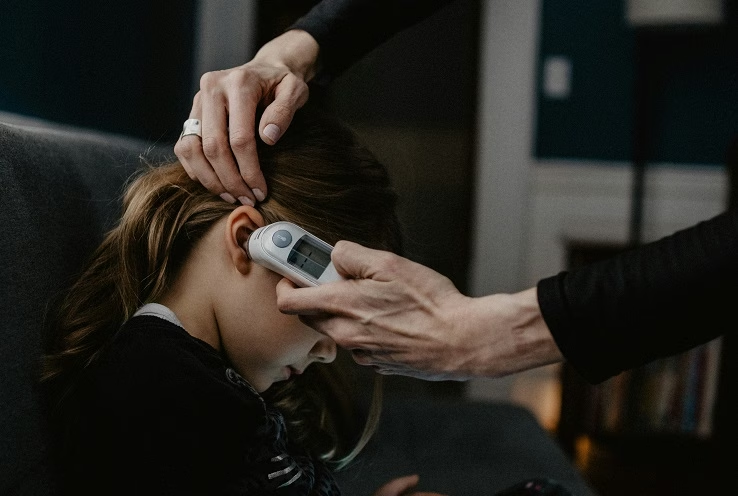
There’s nothing quite like the moment you realise your child is sick. The glassy eyes. The warm forehead. The clinginess. Suddenly, your regular routine disappears and survival mode kicks in.
Caring for a sick child can be exhausting—physically and emotionally. But with a little preparation and perspective, you can navigate the sniffles, stomach bugs, and sleepless nights with more confidence (and sanity).
Read more: Caring For A Sick Child: 5 Top Tips To SurviveHere are five top tips to help you survive from this nursery in Surrey.

Caring For A Sick Child Summary
| Strategy | Essential Action |
| Stay Calm | Manage your own anxiety so your child can co-regulate with you. |
| Prioritize Comfort | Bend the rules on screen time and routines to provide emotional security. |
| Focus on Hydration | Offer small, frequent sips of water, ice pops, or broth over solid food. |
| Shared Rest | Take shifts with a partner and lower your productivity expectations. |
| Release Guilt | Accept that viruses are a natural part of building an immune system. |
| Monitor Red Flags | Seek help for difficulty breathing, persistent high fever, or dehydration. |
1. Stay Calm (Even If You’re Not)
Children pick up on your energy instantly. If you panic, they panic.
Most common childhood illnesses—colds, mild fevers, stomach bugs—are uncomfortable but not dangerous. Take a breath before reacting. A calm parent is one of the most powerful forms of medicine.
That said, trust your instincts. If something doesn’t feel right, call your pediatrician. It’s always better to ask than to worry silently.
Quick reminder: Seek medical attention immediately if your child has difficulty breathing, a rash with fever, unusual lethargy, signs of dehydration, or a high fever that doesn’t respond to medication.
2. Focus on Comfort Over Routine
When your child is sick, the usual rules can bend a little.
- Extra cuddles? Yes.
- More screen time than usual? Probably.
- Sleeping in your room? Sometimes necessary.
This isn’t about discipline—it’s about comfort and recovery. Illness is temporary. Emotional security during illness leaves a lasting imprint.
Soft blankets, favorite movies, quiet stories, and gentle reassurance go a long way.
3. Hydration Is Everything
When appetite disappears, don’t panic. It’s common for sick children to eat less.
Hydration matters far more.
Offer:
- Small, frequent sips of water
- Oral rehydration solutions
- Ice pops
- Broth
- Diluted juice (if needed)
Watch for signs of dehydration:
- Dry mouth
- Fewer wet diapers or bathroom visits
- Sunken eyes
- Lethargy
If in doubt, call your healthcare provider.
4. Rest—For Them and For You
Sick children need sleep to heal. But so do you.
It’s easy to run yourself into the ground staying up all night monitoring temperatures and Googling symptoms. Take shifts with a partner if possible. Nap when they nap.
If you’re parenting solo, simplify everything:
- Easy meals
- Laundry can wait
- Work tasks minimised
- Lower expectations
Your only priority is care and recovery—not productivity.
5. Accept That You Can’t Control Everything
You can sanitise, wash hands, and stock medicine cabinets—but kids still get sick. It’s part of growing immune systems.
Release guilt. You didn’t “miss something.” You didn’t “cause it.” Viruses happen.
Instead, focus on what you can control:
- Comfort
- Monitoring
- Communication with your doctor
- Creating a calm healing environment
Illness often becomes a time of closeness. Some of the sweetest parenting moments happen during quiet cuddles on the couch.
Bonus Survival Kit Checklist
Having supplies ready makes stressful moments easier:
- Thermometer
- Children’s fever reducer (as recommended by your paediatrician)
- Electrolyte drinks or powders
- Tissues and wipes
- Humidifier
- Basic first aid kit
- Paediatrician contact information easily accessible
Preparation doesn’t eliminate illness—but it reduces panic.
Final Thoughts
Caring for a sick child is one of parenting’s hardest tests. It interrupts sleep, drains your energy, and tugs at your heart.
But it also reminds you how deeply connected you are.
Stay calm. Focus on comfort. Keep them hydrated. Rest when you can. And remember—most childhood illnesses pass faster than they feel in the moment.
You’re not just surviving. You’re doing exactly what your child needs most: being there.
Caring For A Sick Child FAQs
When should I stop worrying about my sick child’s lack of appetite?
It is very common for children to lose their appetite when sick. As long as they are staying hydrated and showing no signs of severe lethargy, you don’t need to force them to eat. Focus on fluids and offer bland “BRAT” diet foods (Bananas, Rice, Applesauce, Toast) once they start feeling better.
How do I know if my child is becoming dehydrated?
Look for dry or sticky mouth, fewer wet diapers (or less frequent bathroom visits), sunken eyes, or a lack of tears when crying. If your child is extremely sleepy or difficult to wake, contact your paediatrician immediately.
Is it okay to let my sick child sleep in my bed?
During an illness, comfort is a priority. If it helps you monitor their fever and helps them feel safe enough to rest, it is perfectly fine. Just remember to return to your normal sleep routine once they are recovered to avoid creating a long-term habit.


Exploring The Habitual Taster Box: More Than Just Weight Loss
In today’s fast-paced world, maintaining a balanced diet can be challenging. Whether it’s due to a hectic schedule, health concerns, or a diminished appetite, ensuring adequate nutrition is paramount. Habitual offers a solution with their Taster Box, designed to provide nutritionally complete meals that cater to various needs beyond just weight management. Continue reading Exploring The Habitual Taster Box: More Than Just Weight Loss


The Importance of Looking After Your Body: A Focus on Sexual Health
Looking after your body is essential for living a long, healthy, and fulfilling life. While many people focus on physical fitness, nutrition, and mental well-being, one area that often gets overlooked is sexual health. Looking after your sexual health is as crucial as any other aspect of wellness, impacting not only your physical condition but also your emotional well-being and relationships. Continue reading The Importance of Looking After Your Body: A Focus on Sexual Health


Why Self Care Is Important For Children
Self Care Is Important For Children – In today’s fast-paced world, the concept of self-care is often discussed in the context of adults managing stress and maintaining mental wellbeing. However, self-care is just as crucial for children as it is for adults. Teaching children about self-care from a young age equips them with essential skills for managing their physical, emotional, and mental health throughout their lives. Here’s why self-care is important for children and how you can help them incorporate it into their daily routines. Continue reading Why Self Care Is Important For Children


Exploring Mental Health with Your Child
Exploring Mental health is an essential aspect of overall well-being and addressing it early in life can set the foundation for a healthier, happier future. As a parent, understanding how to explore and support your child’s mental health is crucial. Inspired by the teachings of this private school in Surrey, this guide provides practical tips and insights to help you navigate this important aspect of parenting. Continue reading Exploring Mental Health with Your Child


Why A Healthy Diet Is Important for Child
A healthy diet is crucial for everyone, but it holds particular significance for children. During the formative years, children’s bodies and minds are developing rapidly. Proper nutrition not only supports physical growth but also plays a vital role in cognitive development and overall well-being. Understanding why a healthy diet is important for children can help parents and caregivers make informed choices about their kids’ nutrition. Continue reading Why A Healthy Diet Is Important for Child


Teaching Your Child About Personal Hygiene
Teaching Your Child About Personal Hygiene – Personal hygiene is not just about looking presentable; it’s a cornerstone of overall health and well-being. Instilling good hygiene habits in your child from an early age sets them up for a lifetime of wellness and self-care. In this blog post, inspired by the teachings of this independent school in Milton Keynes, we’ll delve into the importance of teaching personal hygiene to your child and offer practical tips on how to do it effectively. Continue reading Teaching Your Child About Personal Hygiene


Maximizing Productivity: A Holistic Approach to Peak Performance
Maximizing Productivity: A Holistic Approach to Peak Performance – In the fast-paced world of professional life, the pursuit of productivity often takes centre stage. However, it’s crucial to recognize that true productivity is not just about working longer hours; it’s about working smarter and maintaining a balanced, healthy lifestyle. In this blog post, we’ll explore strategies for ensuring you are in the best shape to focus on productivity at work by adopting a holistic approach to well-being. Continue reading Maximizing Productivity: A Holistic Approach to Peak Performance


Navigating the Low Carb Lifestyle: How to Stay Healthy and Energised
A low carb lifestyle involves reducing the amount of carbohydrates in your diet and replacing them with healthier, more nutrient-dense foods. This type of eating plan has become increasingly popular in recent years, as people seek ways to improve their health, lose weight, and increase their energy levels. In this article, we will explore the benefits of a low carb lifestyle, the science behind low carb diets, and provide tips and resources for navigating this way of eating. Continue reading Navigating the Low Carb Lifestyle: How to Stay Healthy and Energised