


A side table may be a small piece of furniture, but it can make a noticeable difference to how a room is used. It provides a convenient surface for everyday items while helping complete the arrangement of sofas, chairs and beds. Whether the space has an empty corner or simply needs a practical surface beside a seat, the right table can add function without taking over the room. When choosing a side table in Cockburn, it is worth considering the table’s size, height, material and intended position to ensure it suits the surrounding furniture.
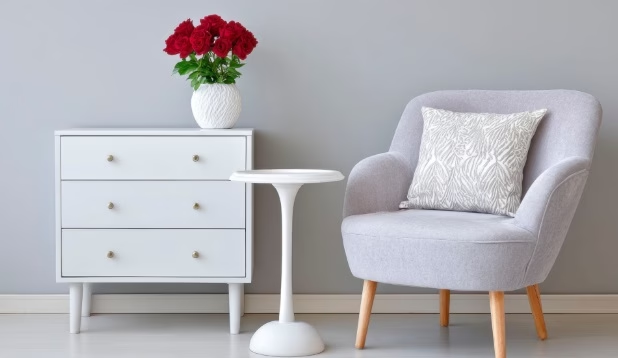
The Perfect Living Room – Why Side Tables Are Useful in Different Spaces
Side tables can serve several purposes throughout a home. In a living room, they can hold a reading lamp, remote control, drink or book, keeping frequently used items within easy reach. In a bedroom, they can provide space for a bedside lamp, phone and personal belongings.
Their versatility also makes them useful in areas that are often overlooked. A narrow table can sit beside an occasional chair, while a compact design can fill an unused corner without making the area feel crowded. The key is to choose a table according to the space available and what it needs to accommodate.
How to Use Side Tables Effectively in the Living Room
Place It Beside the Main Seating
One of the simplest ways to use a side table is to position it beside the main seating. A sofa, recliner, or armchair in Cockburn can benefit from having a nearby surface for drinks, books, lamps or other small items.
Height matters here. Ideally, the table should sit at a comfortable level relative to the arm of the nearby seat. A table that is too low or too high may look out of proportion and become less convenient for everyday use.
Make Use of Unused Corners
An empty corner does not always need a large decorative piece. A carefully chosen side table can make the area useful while keeping the floor relatively open. This works particularly well in smaller living rooms where every section of floor space needs to be considered.
Before placing one in a corner, check the surrounding walkway and leave sufficient clearance for people to move through the room comfortably.
How Side Tables Work in the Bedroom
Create a Practical Bedside Surface
A bedside table needs to support everyday routines. It may hold a lamp for reading, a phone, glasses, a book or other personal items used before sleeping. For this reason, practicality should take priority when choosing its size and features.
The height should work well with the mattress so that items can be reached without awkward stretching.
Add Function to Small Bedroom Nooks
Side tables can be useful beyond the bedside area. A small table placed next to a reading chair can hold a lamp and a few books, while a narrow design can give an unused corner a clear purpose.
In smaller bedrooms, avoid choosing a table simply because it looks attractive. Measure the available area first and consider how much floor space is needed to move around the furniture.
Choosing the Right Size and Shape
The size and shape of a side table can affect both its appearance and functionality. A table that is too large may restrict movement, while one that is too small may not provide enough space for everyday items. Several key factors should be considered before choosing a side table, including:
Consider Available Floor Space
Measure the space where the table will sit before making a purchase. Consider its width, depth and height, as well as the distance between the table and nearby furniture.
Walkways should remain clear, particularly in busy parts of the living room or bedroom. A smaller footprint may be preferable when the table needs to fit between seating and another piece of furniture.
Select a Shape That Suits the Setting
Round, square and rectangular tables each offer different advantages. Round designs can work well where people move around the furniture frequently because they have no sharp corners. Square tables can suit compact seating arrangements, while rectangular options may provide more surface area beside longer sofas.
Materials and Styles to Consider
Side tables are available in materials such as timber, metal, glass and combinations of different finishes. The best option depends on the existing furniture and how frequently the table will be used.
Consider durability and maintenance alongside appearance, particularly for a table that will be used every day.
Final Thoughts
A well-chosen side table can make living rooms and bedrooms more practical without requiring a major change to the existing furniture. The most suitable option depends on the available space, surrounding furniture, required storage and everyday use. Paying attention to size, height, shape and material can help create an arrangement that feels organised and remains convenient over time.
Side Tables for Every Nook – FAQs
What is the ideal height for a side table?
The ideal height depends on the furniture beside it. For a sofa or chair, a table close to the height of the seat arm usually provides convenient access to everyday items.
Can a side table work in a small living room?
Yes. Compact, narrow or round designs can provide useful surface space while taking up less floor area than larger furniture pieces.
What should be placed on a bedside table?
A lamp, book, phone and other regularly used personal items can be placed on a bedside table. Keeping the surface relatively clear makes it easier to use.
How much space should be left around a side table?
Enough space should be left to use the table comfortably and maintain clear walkways. The exact amount depends on the room layout and nearby furniture.
Can different side tables be used in the same room?
Yes. Different tables can work together when they share a connection through material, finish, shape or overall style without being exact matches.


Expert Advice by Angus
Angus is a retail expert and product specialist with a sharp eye for detail and a talent for spotting "hidden gem" brands. As the lead voice for GoShoppingZone, he cuts through the marketing noise to provide honest, data-backed recommendations that help shoppers spend smarter, not harder. Whether it’s an in-depth buyer's guide or a seasonal trend report, Angus’s goal is to ensure every purchase is a win for the consumer.

