
There’s nothing quite like the moment you realise your child is sick. The glassy eyes. The warm forehead. The clinginess. Suddenly, your regular routine disappears and survival mode kicks in.
Caring for a sick child can be exhausting—physically and emotionally. But with a little preparation and perspective, you can navigate the sniffles, stomach bugs, and sleepless nights with more confidence (and sanity).
Read more: Caring For A Sick Child: 5 Top Tips To SurviveHere are five top tips to help you survive from this nursery in Surrey.
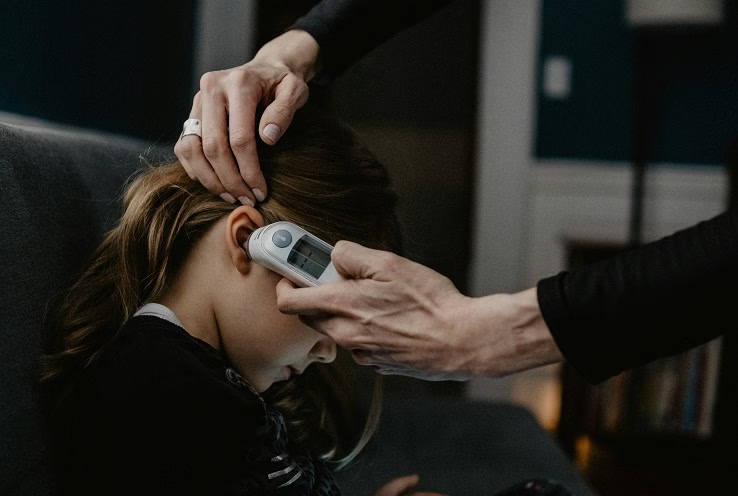
Caring For A Sick Child Summary
| Strategy | Essential Action |
| Stay Calm | Manage your own anxiety so your child can co-regulate with you. |
| Prioritize Comfort | Bend the rules on screen time and routines to provide emotional security. |
| Focus on Hydration | Offer small, frequent sips of water, ice pops, or broth over solid food. |
| Shared Rest | Take shifts with a partner and lower your productivity expectations. |
| Release Guilt | Accept that viruses are a natural part of building an immune system. |
| Monitor Red Flags | Seek help for difficulty breathing, persistent high fever, or dehydration. |
1. Stay Calm (Even If You’re Not)
Children pick up on your energy instantly. If you panic, they panic.
Most common childhood illnesses—colds, mild fevers, stomach bugs—are uncomfortable but not dangerous. Take a breath before reacting. A calm parent is one of the most powerful forms of medicine.
That said, trust your instincts. If something doesn’t feel right, call your pediatrician. It’s always better to ask than to worry silently.
Quick reminder: Seek medical attention immediately if your child has difficulty breathing, a rash with fever, unusual lethargy, signs of dehydration, or a high fever that doesn’t respond to medication.
2. Focus on Comfort Over Routine
When your child is sick, the usual rules can bend a little.
- Extra cuddles? Yes.
- More screen time than usual? Probably.
- Sleeping in your room? Sometimes necessary.
This isn’t about discipline—it’s about comfort and recovery. Illness is temporary. Emotional security during illness leaves a lasting imprint.
Soft blankets, favorite movies, quiet stories, and gentle reassurance go a long way.
3. Hydration Is Everything
When appetite disappears, don’t panic. It’s common for sick children to eat less.
Hydration matters far more.
Offer:
- Small, frequent sips of water
- Oral rehydration solutions
- Ice pops
- Broth
- Diluted juice (if needed)
Watch for signs of dehydration:
- Dry mouth
- Fewer wet diapers or bathroom visits
- Sunken eyes
- Lethargy
If in doubt, call your healthcare provider.
4. Rest—For Them and For You
Sick children need sleep to heal. But so do you.
It’s easy to run yourself into the ground staying up all night monitoring temperatures and Googling symptoms. Take shifts with a partner if possible. Nap when they nap.
If you’re parenting solo, simplify everything:
- Easy meals
- Laundry can wait
- Work tasks minimised
- Lower expectations
Your only priority is care and recovery—not productivity.
5. Accept That You Can’t Control Everything
You can sanitise, wash hands, and stock medicine cabinets—but kids still get sick. It’s part of growing immune systems.
Release guilt. You didn’t “miss something.” You didn’t “cause it.” Viruses happen.
Instead, focus on what you can control:
- Comfort
- Monitoring
- Communication with your doctor
- Creating a calm healing environment
Illness often becomes a time of closeness. Some of the sweetest parenting moments happen during quiet cuddles on the couch.
Bonus Survival Kit Checklist
Having supplies ready makes stressful moments easier:
- Thermometer
- Children’s fever reducer (as recommended by your paediatrician)
- Electrolyte drinks or powders
- Tissues and wipes
- Humidifier
- Basic first aid kit
- Paediatrician contact information easily accessible
Preparation doesn’t eliminate illness—but it reduces panic.
Final Thoughts
Caring for a sick child is one of parenting’s hardest tests. It interrupts sleep, drains your energy, and tugs at your heart.
But it also reminds you how deeply connected you are.
Stay calm. Focus on comfort. Keep them hydrated. Rest when you can. And remember—most childhood illnesses pass faster than they feel in the moment.
You’re not just surviving. You’re doing exactly what your child needs most: being there.
Caring For A Sick Child FAQs
When should I stop worrying about my sick child’s lack of appetite?
It is very common for children to lose their appetite when sick. As long as they are staying hydrated and showing no signs of severe lethargy, you don’t need to force them to eat. Focus on fluids and offer bland “BRAT” diet foods (Bananas, Rice, Applesauce, Toast) once they start feeling better.
How do I know if my child is becoming dehydrated?
Look for dry or sticky mouth, fewer wet diapers (or less frequent bathroom visits), sunken eyes, or a lack of tears when crying. If your child is extremely sleepy or difficult to wake, contact your paediatrician immediately.
Is it okay to let my sick child sleep in my bed?
During an illness, comfort is a priority. If it helps you monitor their fever and helps them feel safe enough to rest, it is perfectly fine. Just remember to return to your normal sleep routine once they are recovered to avoid creating a long-term habit.

Expert Advice by Angus
Angus is a retail expert and product specialist with a sharp eye for detail and a talent for spotting "hidden gem" brands. As the lead voice for GoShoppingZone, he cuts through the marketing noise to provide honest, data-backed recommendations that help shoppers spend smarter, not harder. Whether it’s an in-depth buyer's guide or a seasonal trend report, Angus’s goal is to ensure every purchase is a win for the consumer.



Leave a Reply