
Skills to Teach Your Children – As parents, one of our most important roles is to equip our children with the tools they need to thrive in life. While academic knowledge is undoubtedly important, practical life skills are essential for developing independence, confidence, and resilience. Here are some practical skills that you can teach your children to set them up for a successful future.
Skills to Teach Your Children
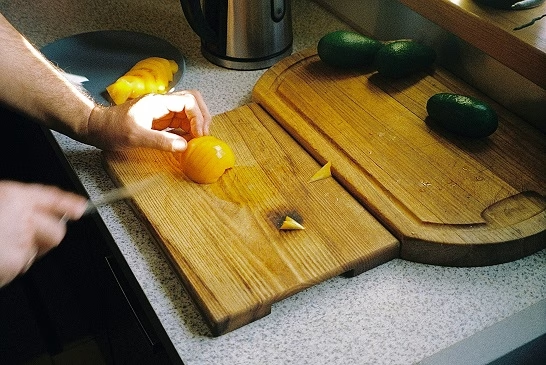
1. Basic Cooking Skills
Teaching children how to cook is a valuable skill that promotes independence and helps them understand the importance of nutrition. Start with simple tasks such as making a sandwich, boiling an egg, or mixing ingredients. As they grow, you can teach them more complex skills like baking or preparing full meals.
This independent school in Richmond recommends cooking together as it can also be a fun bonding activity and a great way to teach maths, such as measuring ingredients, as well as time management and organisation skills. Most importantly, it gives children the knowledge to make healthier choices as they grow older and become responsible for their own meals.
2. Money Management
Understanding how to handle money is one of the most important skills a child can learn. Start by teaching your children the basics of earning, saving, and spending money wisely. For younger children, you can give them an allowance and set up a simple system of saving, spending, and donating money. As they get older, you can introduce more advanced concepts like budgeting, tracking expenses, and understanding interest rates.
It’s also helpful to teach children about the value of money—how hard work and careful budgeting can lead to greater financial freedom. By making money management a priority in their lives, you’re helping them make informed decisions about their finances in the future.
3. Time Management
In a world full of distractions, teaching children time management is a crucial life skill. Start by encouraging them to use a calendar or planner to keep track of their activities and homework. Help them break tasks into smaller, manageable parts and prioritise what’s most important.
By teaching children to manage their time efficiently, you’re helping them avoid procrastination, reduce stress, and create a healthy balance between work, play, and rest. Over time, they will develop good habits that will benefit them throughout their lives.
4. Communication Skills
Strong communication skills are vital for success in both personal and professional life. Encourage your children to express themselves clearly and confidently, whether it’s in writing or speaking. This includes both verbal communication, like speaking politely and listening attentively, as well as non-verbal cues, such as body language and tone of voice.
Role-playing and practicing different social scenarios can help children feel more confident in their communication abilities. Teaching empathy and active listening is also key to fostering strong interpersonal relationships and helping children develop emotional intelligence.
5. Problem-Solving and Critical Thinking
Problem-solving and critical thinking skills are essential in every aspect of life, from schoolwork to making everyday decisions. Encourage your children to think critically by asking open-ended questions and discussing possible solutions to challenges they face. For instance, instead of simply giving them the answer, guide them through the process of figuring it out on their own.
Presenting them with real-life problems, like how to solve a conflict with a friend or deciding on a group project approach, will help them learn how to evaluate situations and make sound decisions.

6. Self-Care and Hygiene
Teaching children the importance of self-care and hygiene is fundamental to promoting good health and well-being. Start with basic tasks such as washing hands, brushing teeth, and taking showers. As they grow older, teach them how to maintain their personal space, such as organising their room or managing laundry.
When children take responsibility for their own hygiene, they develop a sense of discipline and self-respect, which is important for building confidence and independence.
Teaching your children practical life skills is not only about preparing them for adulthood but also about empowering them to become capable, independent individuals. The earlier you start, the more confident they will feel in navigating the world around them. By focusing on skills like cooking, money management, time management, communication, problem-solving, and self-care, you’re giving them a solid foundation for a successful and fulfilling life.

Expert Advice by Angus
Angus is a retail expert and product specialist with a sharp eye for detail and a talent for spotting "hidden gem" brands. As the lead voice for GoShoppingZone, he cuts through the marketing noise to provide honest, data-backed recommendations that help shoppers spend smarter, not harder. Whether it’s an in-depth buyer's guide or a seasonal trend report, Angus’s goal is to ensure every purchase is a win for the consumer.


Leave a Reply