
Effective Parenting – Parenting is a journey filled with both challenges and rewards and as every child is unique, finding the right techniques to help them grow and thrive can feel daunting. One of the most effective ways to navigate this path is through play. Playtime is not just fun for children—it’s a crucial part of their development, providing valuable insight into what parenting methods work best for your child. In particular, using age-appropriate toys and activities, such as toys for 1 year old and Outdoor toys for toddlers, can be powerful tools for understanding and supporting your child’s growth.
Effective Parenting – The Importance of Play in Child Development
From a very young age, children use play as their primary way of learning about the world around them. Playtime allows them to develop important skills such as problem-solving, motor coordination, language, and emotional regulation. For parents, observing how their child interacts during play can provide critical clues about their temperament, interests, and developmental stage.

When you allow your child to explore their environment through play, you’re giving them the freedom to express themselves in a safe and nurturing setting. For instance, a 1-year-old may gravitate towards stacking blocks or fitting shapes into a sorter. These activities help them develop fine motor skills and cognitive abilities while giving you insights into their preferred ways of learning.
Effective Parenting – Toys for 1-Year-Olds: Laying the Foundation for Learning
Choosing the right toys for 1-year-olds can significantly impact how well your child engages with play. At this age, toys that encourage exploration and hands-on interaction are ideal. Look for items stimulating their senses, such as brightly coloured toys, musical instruments, or textured objects. These kinds of toys encourage your child to touch, listen, and see, helping them make sense of their surroundings.
One of the best ways to gauge what parenting techniques might work best is by observing how your child plays. For example, does your child enjoy independent play with toys that challenge them, like shape sorters or simple puzzles? If so, this could indicate that your child enjoys problem-solving and might respond well to parenting techniques that encourage independence and critical thinking.
On the other hand, some 1-year-olds might prefer toys that require interaction, such as soft dolls or simple role-playing toys. These preferences can signal that your child values connection and may thrive with techniques that involve shared activities, such as reading together or engaging in imaginative play.
Outdoor Toys for Toddlers: Encouraging Active Exploration
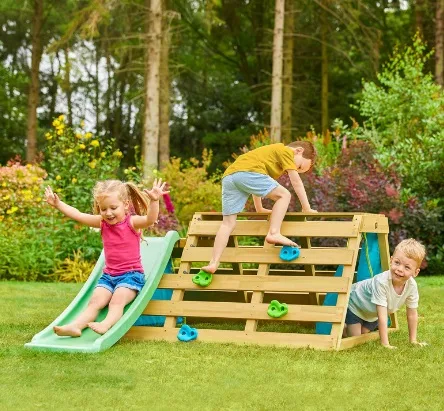
As children grow into toddlers, their energy levels skyrocket, and their desire for adventure expands. Providing outdoor toys for toddlers offers them the opportunity to develop physically, mentally, and socially while discovering the world beyond the home.
Outdoor play is not only a chance for toddlers to expend energy but also a critical learning experience. Playing with outdoor toys such as tricycles, ride-on cars, or balance bikes helps toddlers build gross motor skills, coordination, and spatial awareness. Similarly, simple outdoor equipment like slides, water play sets, or sandpits fosters imaginative play and can help children learn cause-and-effect relationships.
The outdoor environment also encourages risk-taking in a safe setting. When your child climbs a small slide or balances on a low beam, they learn to trust their instincts and build confidence. This adventurous spirit can give you insights into your child’s resilience and willingness to face new challenges. Toddlers who enjoy more physical, active play may benefit from parenting techniques that promote freedom of exploration, whereas those who are more hesitant might need a gentler, more structured approach to encouragement.
Play as a Guide for Parenting Techniques
Understanding how your child engages with different toys and play environments can be an invaluable tool in shaping your parenting approach. If your child thrives in independent play, consider implementing techniques that support self-guided learning. If your child seeks social interaction, look for opportunities to engage together, perhaps through shared storytelling, role-playing, or cooperative games.
Play also reveals a lot about your child’s emotional development. Children often express their feelings and process their experiences through play. A child who acts out scenarios with dolls or stuffed animals may be exploring emotions like empathy or fear. Recognising these signals can help you tailor your parenting strategies to support emotional growth, whether offering comfort during challenging times or encouraging them to explore new feelings.
The Power of Observation
Parenting is about adapting to your child’s unique needs and preferences, and play offers the perfect opportunity for observation. By watching how your child interacts with toys for 1 year olds and outdoor toys for toddlers, you gain valuable insights into their personality, strengths, and challenges. These observations will allow you to fine-tune your parenting techniques, ensuring you meet your child’s developmental needs while fostering a loving, supportive relationship.
In conclusion, the key to unlocking effective parenting lies in understanding how play contributes to your child’s development. Whether you’re introducing toys that encourage exploration or facilitating outdoor adventures, play is not just a form of entertainment; it’s a window into what works best for your child. By embracing this approach, you’ll not only support your child’s growth but also enjoy the journey of discovery together.

Expert Advice by Angus
Angus is a retail expert and product specialist with a sharp eye for detail and a talent for spotting "hidden gem" brands. As the lead voice for GoShoppingZone, he cuts through the marketing noise to provide honest, data-backed recommendations that help shoppers spend smarter, not harder. Whether it’s an in-depth buyer's guide or a seasonal trend report, Angus’s goal is to ensure every purchase is a win for the consumer.



Leave a Reply